
撰写一份专业性的合同需要遵循清晰的结构和条款,服务范围应明确,确保双方双方对所协商的事项有一致的理解,费用结构应具体且可操作,避免模糊不清,合同中必须包含风险和违约责任,以确保双方双方的权利和义务得到充分保障,合同的法律效力需由双方协商一致,确保双方双方的权益得到妥善维护。
本文目录导读:
In today's fast-paced business world, information consulting has become a cornerstone of modern business strategies. From e-commerce platforms to financial institutions, the need for precise and reliable information services has never been greater. However, crafting a comprehensive information consulting contract can be daunting, especially for those who are just starting out in this field. Whether you're a seasoned professional or a newcomers, understanding the intricacies of a contract can help you ensure that your business operates efficiently and effectively. In this article, we'll explore the key elements of a successful information consulting contract and how to write one that meets your needs.
Understanding the Basics of an Information Consulting Contract
An information consulting contract is a legal agreement between a client and a contracting party (such as a service provider or consultant) that outlines the scope of work, payment terms, and other agreed-upon conditions. The primary goal of such a contract is to ensure that both parties understand their responsibilities, obligations, and expectations. Without a proper contract, neither party can be sure what they are agreeing to, and there's a risk of disputes.
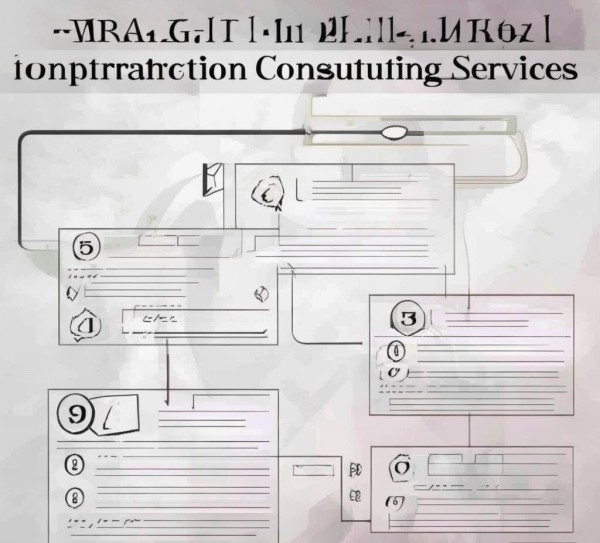
The structure of a contract typically includes the following sections:
Section 1: Title and Purpose
A brief introduction to the purpose of the contract.
A clear statement of the parties involved.
Section 2: Scope of Work
A detailed description of the services or information that the contracting party will provide.
A list of services or information that the client will receive.
Section 3: Payment and Fees
A clear outline of the payment terms, including the amount to be paid, the due dates for payments, and any conditions related to payment (e.g., late fees).
A section detailing the service contract terms, such as the duration of the contract, milestones, and completion requirements.
Section 4: Governing Law and Disputes
A clause outlining the jurisdiction in which the contract will be executed and enforced.
A section detailing how disputes will be resolved, such as arbitration or litigation.
Section 5: Non-Performance and Governing Law
A clause specifying the consequences of non-performance by the contracting party.
A section outlining the jurisdiction in case of disputes.
Section 6: Other Agreements
A section detailing any additional agreements or clauses that modify the terms of the contract.
Writing a Successful Information Consulting Contract
Writing a successful information consulting contract requires careful consideration of the following elements:
Defining the Scope of Work
The first step in writing a contract is to clearly define the scope of work. This should include the specific information or services that the client expects to receive or provide. It's important to be precise because a contract can become unwieldy if the scope is unclear.
For example, if a client expects a full suite of information services, such as data ysis, reporting, and strategic advice, the contract must specify exactly what each service entails. This ensures that neither party is forced to provide more information than is agreed upon.
Structuring the Contract
A well-structured contract should be easy to read and understand. It should be divided into clear sections, such as Section 1, Section 2, and so on. Each section should have a clear purpose and be clearly labeled.
For example:
Section 1: Title and Purpose
Section 2: Scope of Work
Section 3: Payment and Fees
Section 4: Service Contract Terms
Section 5: Governing Law and Disputes
Section 6: Non-Performance and Governing Law
Section 7: Other Agreements
Defining Payment Terms
Payment terms are a critical part of any contract. They should be clear and specific, detailing the amount to be paid, the due dates for payments, and any conditions related to payment (e.g., late fees, discounts for early payment).
For example:
"You shall pay $1 per month for the first 12 months, and $5 per month for the next 12 months, totaling $1,7."
"If you pay before the due date, you shall be entitled to a 1% discount."
Handling Disputes
Disputes between parties are inevitable in any contract, but they must be addressed in a way that ensures fairness and resolves conflicts amicably.
Mediation: If a dispute arises, a neutral third party (such as an independent lawyer) can mediate the issue.
Arbitration: If the parties agree to arbitration, they can choose between a class-action or individual arbitration clause.
Dispute Resolution Agreements: Some contracts include provisions for resolving disputes through arbitration or mediation.
Non-Performance Agreements
In some contracts, there may be a clause that specifies the consequences of non-performance by the contracting party. This clause should be clear and specific, detailing what happens if the contracting party fails to perform their obligations.
For example:
"If you fail to provide the required information within 3 days of receiving the services, you shall be entitled to a 2% reduction in your fees."
"If you fail to complete the service contract within 9 days, you shall be unable to proceed with your business."
Governing Law
The terms of the contract are governed by the laws of the jurisdiction where the contract is executed and enforced. This means that any disputes must be resolved in the country where the contract is in effect.
Other Agreements
Some contracts may include additional clauses, such as:
Confidentiality: A clause specifying that the contracting party agrees to keep the client's information confidential and not to disclose it to third parties.
Confidentiality Agreements: A clause clarifying that the client agrees to keep the contracting party's information confidential and not to disclose it to third parties.
Non-Disclosure Agreements: A clause specifying that the contracting party agrees not to disclose the client's information to third parties without the client's consent.
Indemnification Agreements: A clause specifying that the contracting party agrees to indemnify the client for any damages or losses suffered by the client as a result of the contracting party's actions.
Signature and Binding
Once the contract is drafted and signed, it becomes a binding agreement that cannot be altered or modified. The parties must be aware that any changes to the contract must be in writing and signed by both parties.
Conclusion
Writing a successful information consulting contract requires careful attention to detail, clear communication, and a commitment to resolving disputes in a fair and timely manner. By following these steps and ensuring that all clauses are clear, specific, and enforceable, you can create a contract that meets the needs of both parties and ensures a ooth and successful business relationship.
If you're starting out in this field, it's important to seek professional legal advice to ensure that the contract is tailored to your specific needs and that you understand all aspects of it. With careful planning and execution, you can build a robust information consulting business and protect your interests in the process.